
Created at 31 December 2025
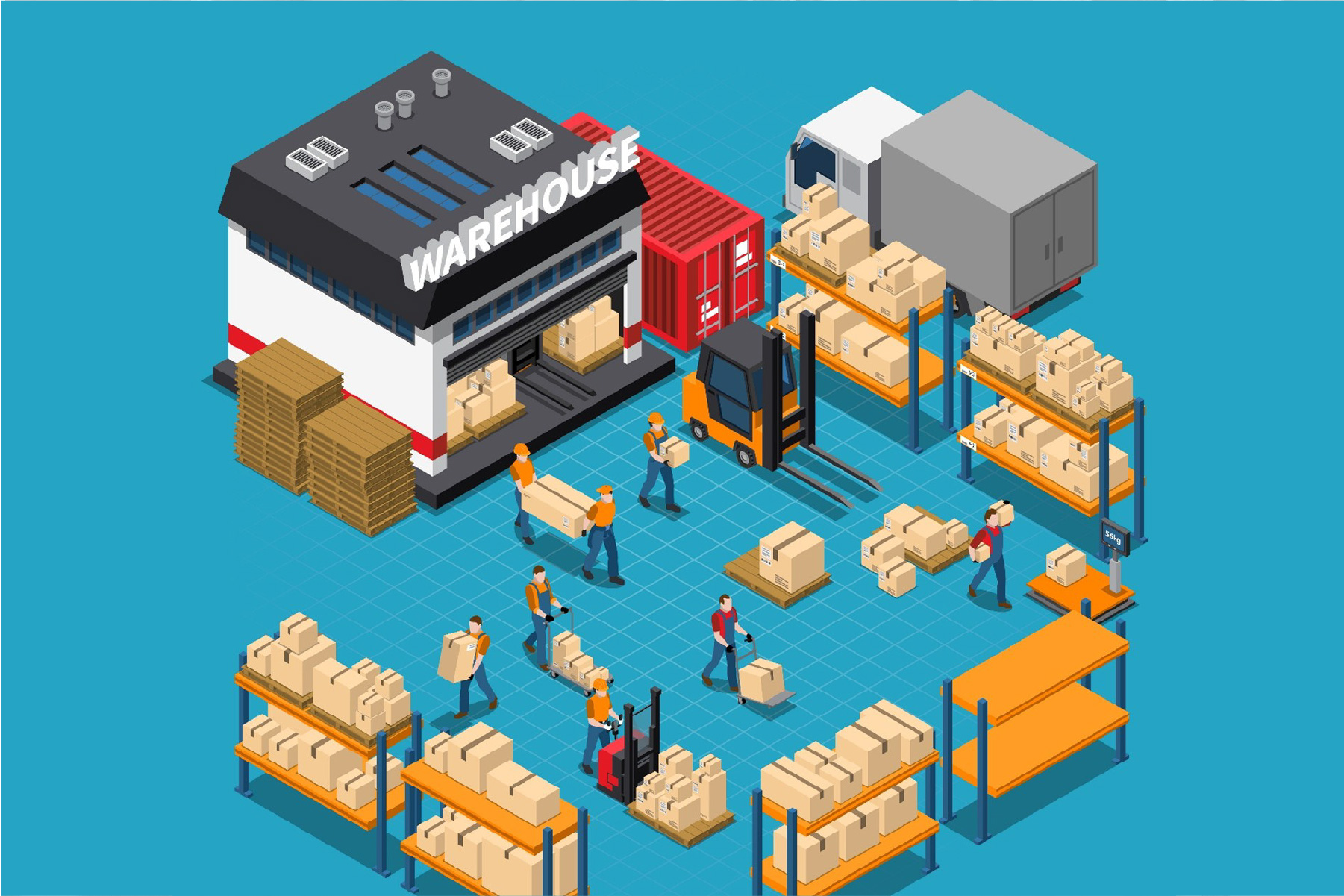
In 2025, the number of online shoppers is expected to increase to 2.77 billion. This statement shows the massive shift in consumer behaviour towards digital shopping. Social platforms like TikTok, Instagram and Facebook are no longer just for entertainment, but consumers can purchase on the platforms.
With the rising demand, businesses will face challenges such as limited inventory space, reduced productivity and slower delivery times. To overcome these challenges, businesses are turning to e-commerce warehouses. An effective e-commerce warehouse plays a crucial role in meeting customer expectations and optimising supply chain operations.
In this article, we will explore what an e-commerce warehouse is, how it works and why it is essential for online businesses.
An effective e-commerce warehouse plays a crucial role in meeting customer expectations and optimise supply chain operations. In this article, we will learn what an e-commerce warehouse is, how it works and why it is essential for online businesses.
An e-commerce warehouse is a facility designed for storing, managing and distributing products sold online. These warehouses can either be operated by the business itself or outsourced to third party logistics (3PL) companies.
E-commerce warehousing refers to managing all the processes involved in warehouse operations including the following:
E-commerce warehousing focuses on fulfilling customers directly, while traditional warehousing focuses on store goods in bulk to retail stores or wholesalers. E-commerce warehousing requires every process to be quick, flexible and data driven. As online customer expectations continue to rise, they demand faster delivery, real-time order tracking and seamless return experiences. To meet these expectations, warehouses must leverage technology such as warehouse management system (WMS), automation tools and data analytics to optimise inventory flow and improve operational decision making.
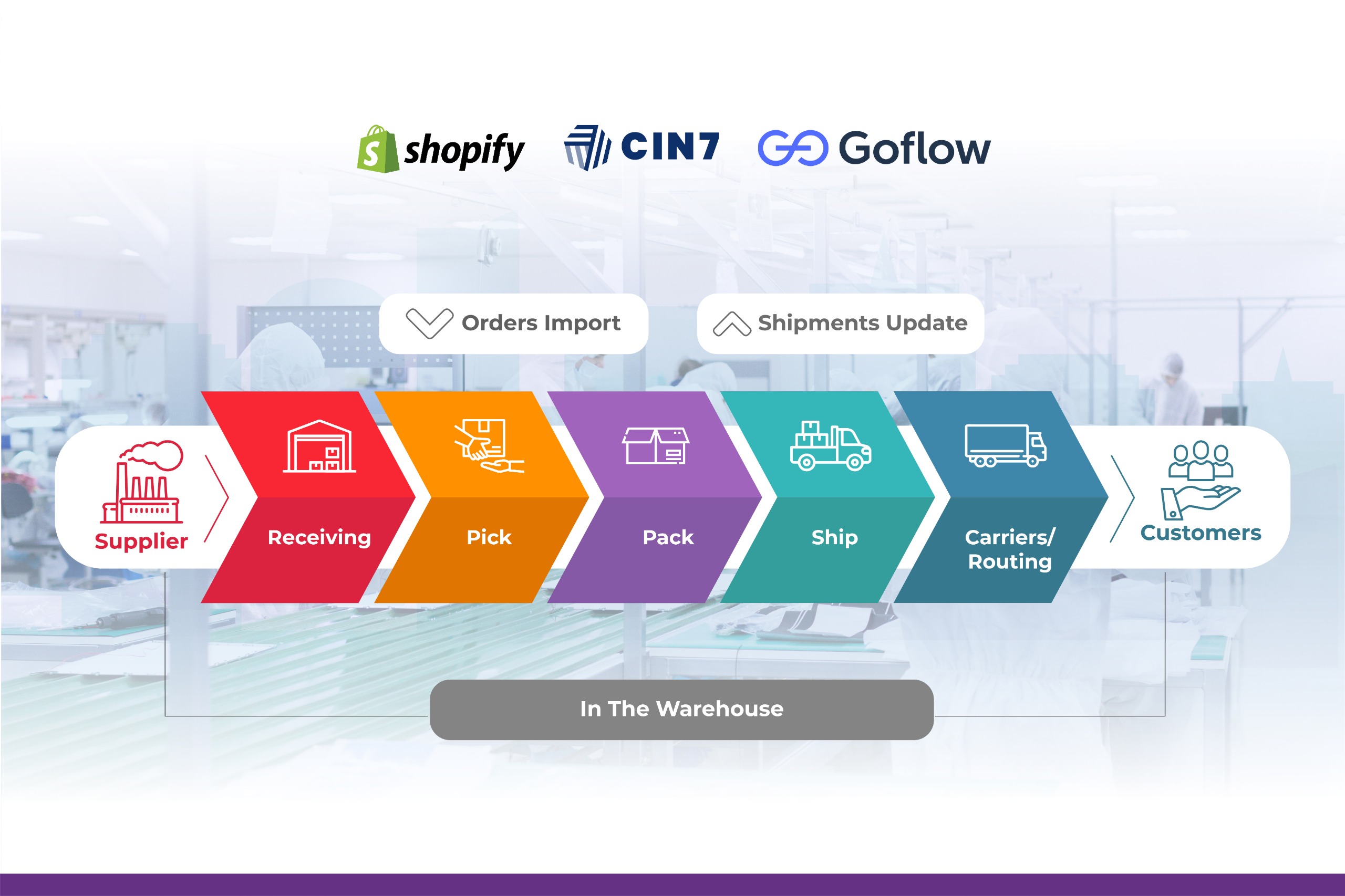
An e-commerce warehouse is a specialised facility designed to store, manage, and distribute products sold on digital platforms. Unlike traditional warehousing, it focuses on fulfilling orders directly to individual customers through a fast, data-driven process.
The process begins when a customer makes a purchase on a ecommerce platform like Shopify. These sales channels automatically sync the order details to the warehouse management system (WMS) in real time. Alternatively, ecommerce platform can work together with Order Management Systems (OMS) such as GoFlow or Cin7 which will then push the order details to the warehouse management system.
Products arrive at the warehouse from suppliers. Staff verify the shipment and enter the products into the system, ensuring they are assigned to a designated shelf, bin, or pallet location for optimal layout.
Once an order is confirmed, the system generates a "pick list." Warehouse staff locate the specific items in their designated locations to ensure accuracy and speed.
Items are brought to a packing station where they are securely packaged, labelled, and prepared for distribution. This step is critical to meeting customer expectations for professional and safe delivery.
The warehouse hands the package over to a carrier (logistics provider). As the package moves through the shipping route, the system provides automated shipment updates, allowing the customer to track their order in real time.
Modern e-commerce warehousing also handles returns, ensuring a seamless experience for customers who need to send products back.
By leveraging Warehouse Management Systems (WMS) and data analytics, this entire workflow ensures that inventory flow is optimised and operational decisions are based on real-time data.
E-commerce warehousing plays a crucial role in ensuring smooth operations and fulfills customer satisfaction. Here’s why it is important for online businesses:
At ACL Australia, we don’t just offer space to store your products. We provide complete e-commerce warehousing solutions designed to support your business grow. We cover everything from order fulfillment and inventory management (pick, pack, labelling, distribution). Also, we help your customers receive their orders quickly and accurately. Whether you’re a growing online brand or an established retailer, partnering with ACL Australia ensure you manage complexity of logistic operations. Explore our 3PL solutions today!