
Chinese Lunar New Year, known as the Spring Festival (春节), is one of the world’s largest annual celebrations. It causes significant disruptions in international shipping due to shutdowns across factories, trucking networks and administrative offices. Consequently, importers often face higher freight costs, stockouts and extensive shipping delays.
Many businesses mistakenly believe that disruptions only begin on the first day of Lunar New Year. In reality, the impact starts weeks earlier as production slows and the pre-holiday rush exhausts available capacity.
In this article, we will discuss the typical window of Chinese New Year shipping delays and the impact of the holiday on global supply chains.
Chinese New Year 2026 Timeline
In 2026, Chinese New Year falls on February 17, with the official public holiday running from February 15 to February 21. However, the operational impact on global supply chain begins much earlier and lasts far longer than this one-week window.
- Pre-holiday slowdown: Early January to Mid-February 2026
During this period, factories begin reducing production capacity as workers migrate home for Chunyun
- Holiday period: Mid-February 2026
This week marks the peak of holiday - related disruptions, with nearly all manufacturing and domestic logistics coming to a complete halt.
- The gradual resumption: First 2 – 3 Weeks of March
Factories begin reopening, but often at only 35%-50% capacity as workers gradually return from their home provinces.
- Full Recovery: Mid-Late March 2026
This is the period when manufacturing, workforce capacity and logistics operations return to normal levels.
The Impact of Chinese New Year on Global Supply Chains
- Factory Shutdowns
Chinese manufactures close for at least one to two weeks, with many workers taking extra time off to travel home. This results in significant production halts that begin well before the official dates.
- Freight rate spikes
Freight rates typically spike in the weeks leading up to CNY due to high demand. Additionally, carriers often apply peak season surcharges (PSS). While rates may briefly dip during the holiday season, a secondary ‘recovery’ cost increase often follows in late March as the market grapples with container shortages at origin and vessel capacity gaps caused by post-holiday blank sailings.
- Port congestion
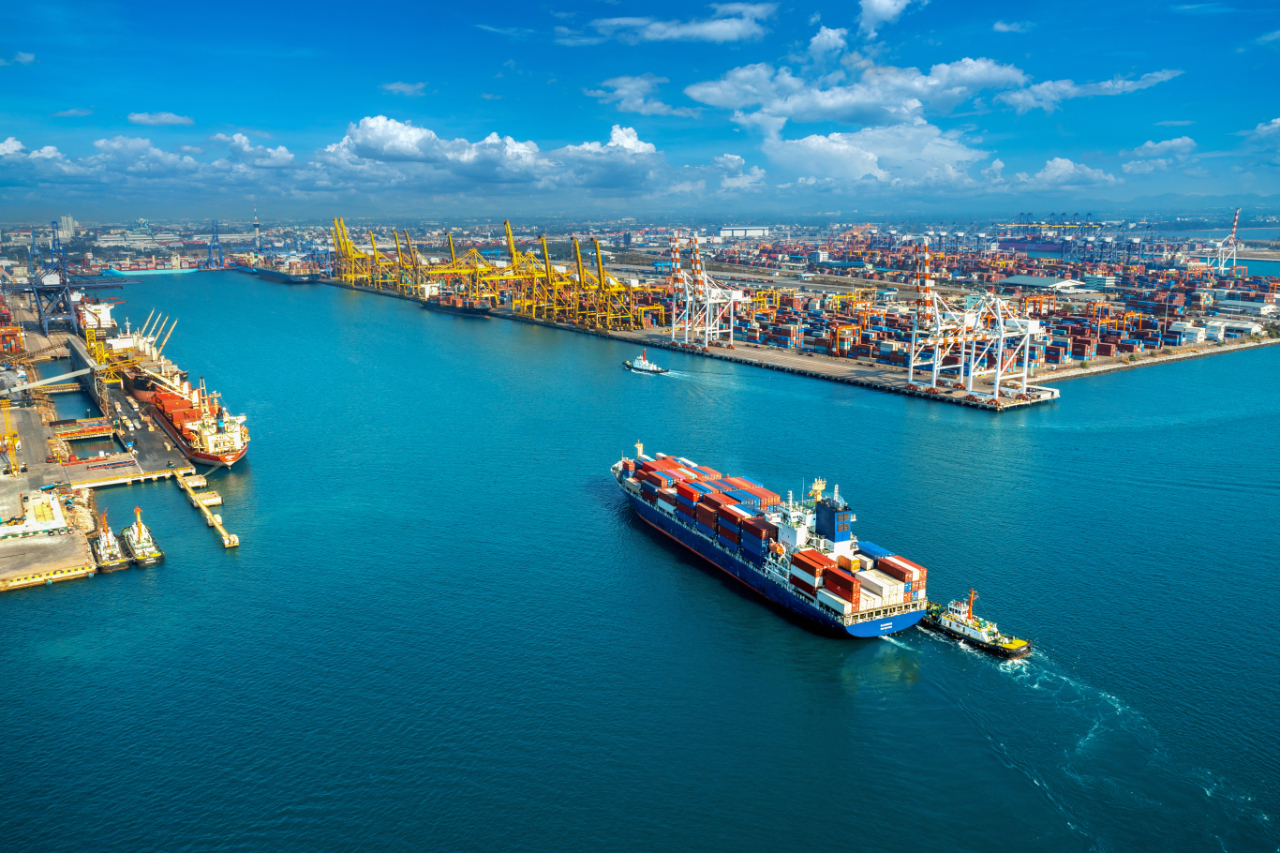
Ports experience a bottleneck effect as businesses rush to move goods before the holiday. It leads to congested ports, container shortages and significant delays in custom clearance.
- Labor shortages
The Chunyun migration involves millions of workers including truck drivers and port staff returning to their hometowns. This labor shortage affects warehousing, trucking and last mile delivery services.
Chinese New Year is not a short holiday – it is a long-term event that affects supply chain disruptions. To mitigate these impacts, businesses must partner with a reliable logistics provider to safeguard production slowdowns, freight spikes and inventory shortages.
By Partnering with an experienced 3PL provider like ACL Australia, we ensure secured capacity, manage risk and stable supply chains both before and after Chinese New Year period.
